
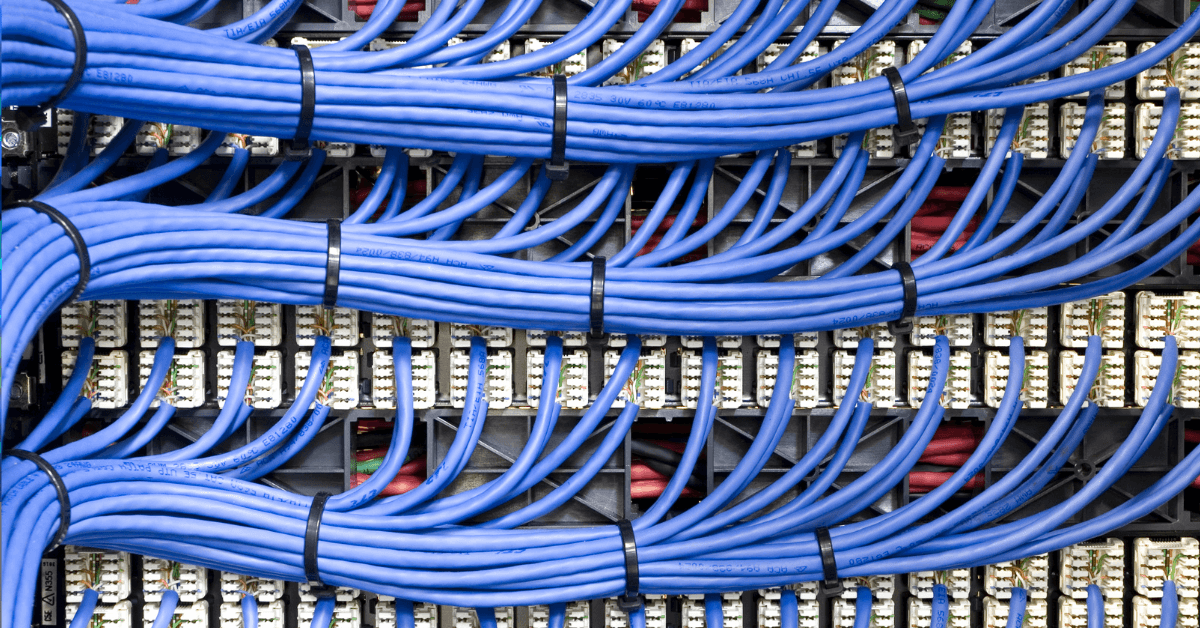
Level 3 Certificate in Fiber Optic Network Design and Deployment
- Learn the fundamentals of fiber optic network design and deployment.
- Gain hands-on experience in splicing, testing, and installation.
- Understand the tools and techniques for planning and optimizing fiber networks.
- Build a strong foundation for a career in fiber optics.
- Understand the principles of fiber optic communication and its applications.
- Develop skills to design fiber optic networks for diverse applications.
- Gain practical knowledge in fiber installation, splicing, and testing.
- Learn to troubleshoot and optimize fiber networks for maximum efficiency.
- Introduction to Fiber Optic Technology
- Basics of fiber optics and its role in modern telecommunications.
- Advantages of fiber optics over other transmission mediums.
- Fiber Optic Network Design
- Principles of network planning and architecture.
- Designing networks for scalability, reliability, and cost-efficiency.
- Deployment and Installation Techniques
- Tools and methods for cable installation, splicing, and connectorization.
- Testing and certifying installed networks.
- Troubleshooting and Maintenance
- Identifying and resolving common network issues.
- Maintenance strategies for long-term network health.
- Advance to Level 4 Certification in Fiber Optic Communication and Network Design or Level 5 Diploma in Advanced Telecommunication Network Management.
- Pursue roles such as fiber optic technician, network designer, or installation specialist.
- Comprehensive Training: A blend of theoretical knowledge and practical skills.
- Industry-Standard Practices: Training aligned with current industry requirements.
- Expert Instructors: Learn from experienced professionals in fiber optics.
- Globally Recognized Certification: Enhance your career prospects in telecommunications.
Study Units
- Introduction to Fiber Optic Technology
- Basics of fiber optics and its role in modern telecommunications.
- Advantages of fiber optics over other transmission mediums.
- Fiber Optic Network Design
- Principles of network planning and architecture.
- Designing networks for scalability, reliability, and cost-efficiency.
- Deployment and Installation Techniques
- Tools and methods for cable installation, splicing, and connectorization.
- Testing and certifying installed networks.
- Troubleshooting and Maintenance
- Identifying and resolving common network issues.
- Maintenance strategies for long-term network health.
By the end of this course, learners will:
- Understand the principles of fiber optic communication and its applications.
- Develop skills to design fiber optic networks for diverse applications.
- Gain practical knowledge in fiber installation, splicing, and testing.
- Learn to troubleshoot and optimize fiber networks for maximum efficiency.
This course is ideal for:
Telecom and Network Technicians
Professionals already working with copper networks or basic telecom systems who want to upgrade their skills and specialize in fiber optics.
Graduates of Level 2 Telecom Courses
Learners who have completed entry-level telecom or optical fiber programs and are ready to advance their technical competencies.
Engineering Students and Technical Diploma Holders
Individuals with academic backgrounds in electronics, telecommunications, electrical, or computer engineering who want hands-on industry-relevant skills.
IT Infrastructure and Data Center Personnel
Professionals managing or supporting enterprise networks who need to understand fiber optic infrastructure for backbone and high-speed connectivity.
Construction and Utility Field Workers
Individuals involved in infrastructure development (e.g., laying fiber for ISPs, telecoms, or smart grids) who require certification and advanced planning knowledge.
Career Switchers and Freelancers
People looking to enter a high-demand technical field, including those interested in freelance fiber optic installation and maintenance services.
Our assessment process is designed to ensure every learner achieves the required level of knowledge, skills, and understanding outlined in each course unit.
Purpose of Assessment
Assessment helps measure how well a learner has met the learning outcomes. It ensures consistency, quality, and fairness across all learners.
What Learners Need to Do
Learners must provide clear evidence that shows they have met all the learning outcomes and assessment criteria for each unit. This evidence can take different forms depending on the course and type of learning.
Types of Acceptable Evidence
Assignments, reports, or projects
Worksheets or written tasks
Portfolios of practical work
Answers to oral or written questions
Test or exam papers
Understanding the Structure
Learning outcomes explain what learners should know, understand, or be able to do.
Assessment criteria set the standard learners must meet to achieve each learning outcome.
Assessment Guidelines
All assessment must be authentic, current, and relevant to the unit.
Evidence must match each assessment criterion clearly.
Plagiarism or copied work is not accepted.
All learners must complete assessments within the given timelines.
Where applicable, assessments may be reviewed or verified by internal or external quality assurers.
Full learning outcomes and assessment criteria for each qualification are available from page 8 of the course handbook.
Top Courses
No results found.
Related Courses




Let's Get in touch
Deleting Course Review
Course Access
This course is password protected. To access it please enter your password below: