
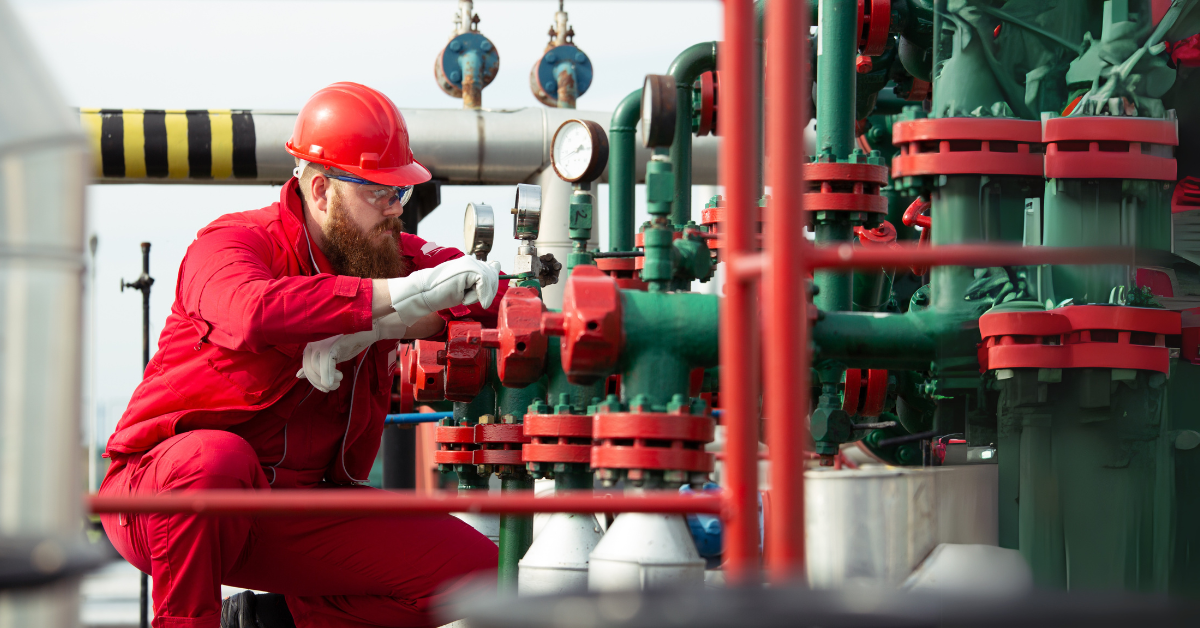
Level 2 Award in Fire Prevention and Control in Oil and Gas Facilities
- Specialized Knowledge: Understand fire risks specific to oil and gas facilities.
- Practical Skills: Learn effective fire control and emergency response techniques.
- Safety Awareness: Enhance your ability to identify and mitigate fire hazards.
- Career Growth: Boost your qualifications for roles in fire safety and HSE management.
- Industry Standards: Gain insights into fire safety regulations and compliance.
- Understand the causes and risks of fire in oil and gas facilities.
- Identify fire hazards and implement preventive measures.
- Operate fire suppression and control equipment effectively.
- Develop and execute emergency fire response plans.
- Comply with international fire safety regulations.
- Collaborate with fire safety teams during emergencies.
- Introduction to Fire Safety in Oil and Gas
- Overview of fire risks in oil and gas operations.
- The fire triangle and principles of combustion.
- Hazard Identification and Risk Assessment
- Common fire hazards in oil and gas facilities.
- Conducting fire risk assessments and implementing controls.
- Fire Prevention Strategies
- Best practices for reducing fire risks in high-risk environments.
- Safe handling and storage of flammable materials.
- Fire Suppression Systems
- Types of fire suppression equipment (e.g., extinguishers, sprinklers).
- Maintenance and operation of fire control systems.
- Emergency Response Planning
- Developing and executing fire response plans.
- Evacuation procedures and emergency communication.
- Regulations and Standards
- Key international fire safety regulations and standards.
- Compliance requirements for oil and gas facilities.
- Case Studies and Lessons Learned
- Analysis of fire incidents in oil and gas facilities.
- Learning from real-world scenarios to improve fire safety practices.
- Fire Safety Officer
- HSE Coordinator in Oil and Gas
- Emergency Response Team Member
- Facility Safety Supervisor
- Fire Risk Assessor
- Expert Training: Learn from experienced professionals with industry-specific expertise.
- Hands-On Learning: Gain practical experience with fire control equipment and scenarios.
- Global Standards: Curriculum aligned with international fire safety regulations.
- Flexible Learning: Study options that fit your schedule and learning pace.
- Career-Focused: Designed to build the skills employers in oil and gas prioritize.
Study Units
- Introduction to Fire Safety in Oil and Gas
- Overview of fire risks in oil and gas operations.
- The fire triangle and principles of combustion.
- Hazard Identification and Risk Assessment
- Common fire hazards in oil and gas facilities.
- Conducting fire risk assessments and implementing controls.
- Fire Prevention Strategies
- Best practices for reducing fire risks in high-risk environments.
- Safe handling and storage of flammable materials.
- Fire Suppression Systems
- Types of fire suppression equipment (e.g., extinguishers, sprinklers).
- Maintenance and operation of fire control systems.
- Emergency Response Planning
- Developing and executing fire response plans.
- Evacuation procedures and emergency communication.
- Regulations and Standards
- Key international fire safety regulations and standards.
- Compliance requirements for oil and gas facilities.
- Case Studies and Lessons Learned
- Analysis of fire incidents in oil and gas facilities.
- Learning from real-world scenarios to improve fire safety practices.
Upon completing this course, learners will be able to:
- Understand the causes and risks of fire in oil and gas facilities.
- Identify fire hazards and implement preventive measures.
- Operate fire suppression and control equipment effectively.
- Develop and execute emergency fire response plans.
- Comply with international fire safety regulations.
- Collaborate with fire safety teams during emergencies.
The Level 2 Award in Fire Prevention and Control in Oil and Gas Facilities is designed for:
Oil and Gas Workers
Individuals working in high-risk oil and gas facilities, such as refineries, drilling platforms, and storage sites, who need to understand fire prevention and emergency response techniques.
Health, Safety, and Environment (HSE) Professionals
Those working or aspiring to work in fire safety and HSE roles within the oil and gas sector, looking to enhance their qualifications in fire prevention and control.
Fire Safety Officers
Personnel tasked with fire safety responsibilities who need specialized knowledge in managing fire risks and responding to emergencies in oil and gas environments.
Emergency Response Teams
Individuals involved in emergency response operations, such as emergency response team members or supervisors, who need to develop expertise in fire control and evacuation procedures.
Oil and Gas Managers and Supervisors
Those in supervisory or managerial roles who require a comprehensive understanding of fire safety protocols, hazard identification, and risk mitigation strategies.
Safety Enthusiasts and Students
Anyone interested in pursuing a career in fire safety or seeking to enhance their understanding of fire control in oil and gas facilities.
Our assessment process is designed to ensure every learner achieves the required level of knowledge, skills, and understanding outlined in each course unit.
Purpose of Assessment
Assessment helps measure how well a learner has met the learning outcomes. It ensures consistency, quality, and fairness across all learners.
What Learners Need to Do
Learners must provide clear evidence that shows they have met all the learning outcomes and assessment criteria for each unit. This evidence can take different forms depending on the course and type of learning.
Types of Acceptable Evidence
Assignments, reports, or projects
Worksheets or written tasks
Portfolios of practical work
Answers to oral or written questions
Test or exam papers
Understanding the Structure
Learning outcomes explain what learners should know, understand, or be able to do.
Assessment criteria set the standard learners must meet to achieve each learning outcome.
Assessment Guidelines
All assessment must be authentic, current, and relevant to the unit.
Evidence must match each assessment criterion clearly.
Plagiarism or copied work is not accepted.
All learners must complete assessments within the given timelines.
Where applicable, assessments may be reviewed or verified by internal or external quality assurers.
Full learning outcomes and assessment criteria for each qualification are available from page 8 of the course handbook.
Top Courses
Related Courses


Let's Get in touch
Deleting Course Review
Course Access
This course is password protected. To access it please enter your password below: